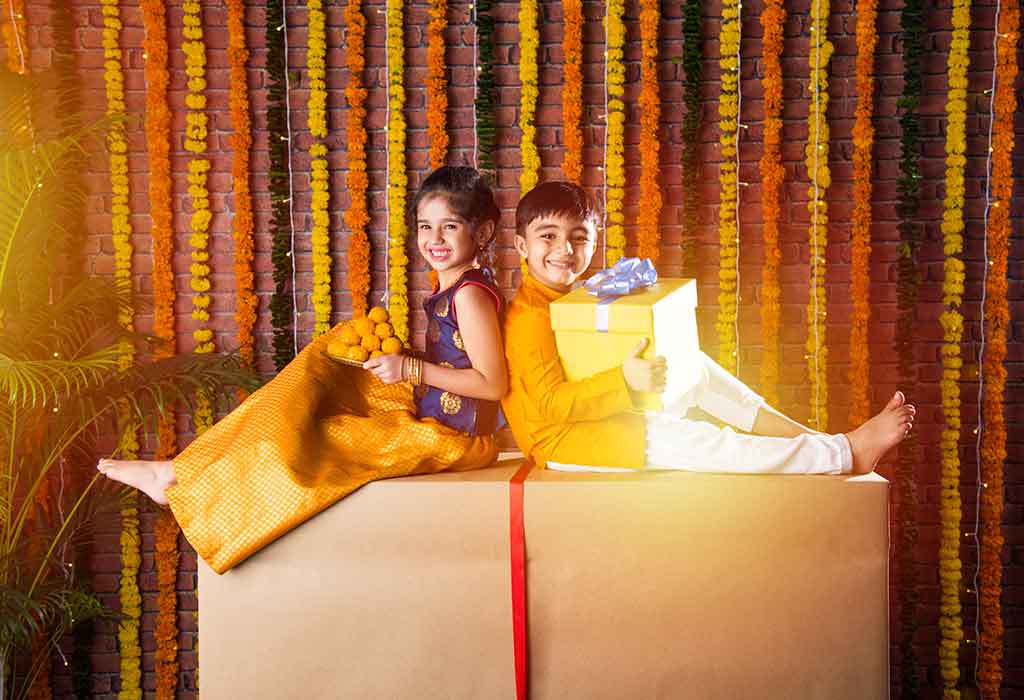

A My Favourite Festival essay for preschool kids is a short writing exercise that helps young children describe a festival they enjoy using simple English sentences. Children can write about Diwali, Holi, Christmas or another festival that is familiar to their family. Short examples, pictures and conversations with parents or teachers can help preschoolers express their own experiences rather than simply memorising a paragraph.
Introduction
Festivals are special occasions when families and communities come together to celebrate, share food, decorate their homes and enjoy traditions. For preschool children, talking about a favourite festival is also a simple way to practise speaking, learn new words and begin writing short sentences.
A My Favourite Festival essay for preschool kids does not need difficult vocabulary or a long paragraph. Children can start with five simple sentences about the festival they enjoy, what their family does and why the celebration makes them happy.
In India, families celebrate many festivals, including Diwali, Holi, Christmas, Eid, Gurpurab, Onam and Pongal. Each has its own traditions and meaning. The Government of India’s Ministry of Culture recognises the country’s wide range of cultural and regional traditions.
Below are easy festival essays, a 10-line example, useful vocabulary and simple activities parents and teachers can use to support early writing.
What Is a “My Favourite Festival” Essay?
A favourite festival essay is a short piece of writing in which a child names a festival and describes a few things they enjoy about it.
For preschoolers, the goal is not to produce a perfect essay. It is to help children connect words with familiar experiences and communicate their thoughts in simple sentences.
A child might write:
- My favourite festival is Diwali.
- I celebrate it with my family.
- We decorate our home.
- We share sweets.
- I feel happy during Diwali.
These sentences provide a basic structure. Children can change them to reflect what actually happens in their homes.
What should a preschool festival essay include?
A simple essay can have four parts:
- Festival name: Tell the reader which festival you like.
- Celebration: Describe what your family does.
- Favourite activity: Mention food, decorations, songs, gifts or another activity you enjoy.
- Feeling: Explain why the festival is special to you.
Children do not need to include every detail. Three to five sentences may be a useful starting point for a younger learner, while children who are ready can write eight to ten lines.
Key Details: Simple Festival Essays for Preschool Kids
The following are original sample essays that children can read, practise and personalise. They are examples, not statements that every family celebrates a festival in the same way.
1. My Favourite Festival Is Diwali

Diwali is my favourite festival. It is called the festival of lights. I celebrate Diwali with my family. We clean and decorate our home. We make colourful rangoli and light diyas with adult help. We wear nice clothes and share sweets. I love seeing the lights and spending time with my family. Diwali makes me feel happy.
Easy words to learn: lights, diya, rangoli, sweets, family, happy.
Diwali is commonly known as the festival of lights and is celebrated in different ways by different communities. The Ministry of Tourism’s Utsav website describes traditions such as decorating homes, wearing new clothes and sharing sweets.
A Ministry of Tourism Initiative
2. My Favourite Festival Is Holi

Holi is my favourite festival. It is called the festival of colours. I celebrate Holi with my family and friends. We wear colourful clothes. We enjoy festive food and spend time together. I like seeing the bright colours. I wish everyone a happy Holi. Holi is a fun and joyful festival for me.
Easy words to learn: colours, friends, food, joy, celebrate, happy.
Holi is associated with colours, the arrival of spring and community celebrations. India’s Ministry of Tourism highlights the festival’s different regional traditions and its spirit of togetherness.
Children should only use colours that are suitable for their age and follow adult guidance during celebrations.
3. My Favourite Festival Is Christmas

Christmas is my favourite festival. It is celebrated on 25 December by many Christians and is also enjoyed as a cultural celebration by some other families. I decorate the Christmas tree with my family. We sing songs and share delicious food. I enjoy seeing the lights and colourful decorations. I love giving and receiving gifts. Christmas makes me feel joyful.
Easy words to learn: Christmas, tree, star, gifts, songs, joy.
Families may have different Christmas traditions. Children should be encouraged to describe the celebrations they know from their own homes.
4. My Favourite Festival Is Eid

Eid is my favourite festival. I celebrate it with my family. We wear special clothes and meet our relatives. We share delicious food and sweets. We spend time together and wish each other happiness. I enjoy seeing my family and friends. Eid is a special festival for me.
Easy words to learn: family, clothes, food, friends, share, celebrate.
There are two major Eid celebrations, Eid al-Fitr and Eid al-Adha, and their customs differ. A child writing this essay can name the Eid their family celebrates and describe the traditions they know.
5. My Favourite Festival Is Onam

Onam is my favourite festival. It is a festival celebrated in Kerala. My family enjoys decorating the home with flowers. We make a colourful pookalam. We enjoy special food and spend time with our loved ones. I like the flowers and festive decorations. Onam makes me happy.
Easy words to learn: flowers, Kerala, pookalam, food, home, happy.
Onam traditions vary among families and communities. Children can personalise this essay by mentioning the activities they actually enjoy, such as flower arrangements, festive meals or family gatherings.
10 Lines on My Favourite Festival for Nursery and Kindergarten
For children who need a short school assignment, the following 10 lines use simple sentence structures.
10 Lines on My Favourite Festival — Diwali
- My favourite festival is Diwali.
- Diwali is called the festival of lights.
- I celebrate Diwali with my family.
- We clean and decorate our home.
- We make colourful rangoli.
- We wear nice clothes.
- We light diyas with adult help.
- We share sweets with family and friends.
- I enjoy the lights and decorations.
- I love Diwali because it makes me happy.
Parents and teachers can ask children to replace a sentence with a personal memory. For example, a child might write, “I make rangoli with my mother,” or “I visit my grandparents during Diwali.”
Personal details help make the writing more meaningful.
Background: Why Festival Writing Is Useful in Preschool
The National Curriculum Framework for the Foundational Stage, published by India’s Ministry of Education and developed by NCERT, recommends learning that connects with children’s familiar experiences, cultural and social contexts, stories, play and languages. It covers children in the foundational age range of three to eight years.
A festival essay can connect those ideas with a simple classroom task.
1. It introduces new vocabulary
Children can learn words connected to people, objects, actions and feelings.
| Topic | Easy words |
|---|---|
| People | Family, friends, parents, grandparents |
| Decorations | Lights, flowers, rangoli, tree |
| Food | Sweets, snacks, meal |
| Actions | Celebrate, decorate, share, sing |
| Feelings | Happy, excited, thankful, joyful |
Parents can introduce just a few words at a time. Pictures and real objects can help children understand their meanings.
2. It encourages speaking before writing
Some preschool children may find it difficult to write a full paragraph independently. Start by talking about the festival.
Ask questions such as:
- Which festival do you like?
- What do we do during this festival?
- Who celebrates with you?
- What is your favourite part?
- How do you feel during the celebration?
Write down the child’s answers in simple sentences. The child can then copy a sentence, complete a sentence starter or dictate ideas while an adult writes them down.
3. It connects learning with real life
Children are often familiar with festival decorations, family meals, songs, clothes and gatherings. These experiences can provide concrete examples for language practice.
A child who has seen a rangoli can describe its colours. A child who has decorated a tree can talk about its ornaments. A child who has visited relatives can write a sentence about the visit.
The objective is to turn a familiar memory into language the child can understand and use.
4. It introduces cultural diversity respectfully
India has a wide range of festivals and local traditions. A classroom activity can invite children to share what is familiar to them while learning that other families may celebrate differently. The Ministry of Culture’s material on Indian cultural heritage recognises the diversity of traditions, languages and cultural expressions across the country.
Teachers should avoid suggesting that one festival is better than another. The focus can remain on sharing experiences, listening to classmates and showing respect.
What Education Guidance Says About Early Writing
India’s National Curriculum Framework for the Foundational Stage emphasises learning through familiar contexts, stories, play, conversation and children’s home languages. It also recognises the importance of giving children opportunities to express their thoughts and feelings.
This guidance supports an approach in which preschool children discuss a festival before trying to write about it. It does not require every child to produce the same essay or write the same number of lines.
For example, a teacher might let children draw their favourite festival, name the objects in the picture and then write one or two sentences together. Children who are ready for more can expand those sentences into a short paragraph.
The aim is to develop confidence and communication, not to test how much a child can memorise.
Why This Matters for Parents and Teachers
Children need examples they can understand
A long essay filled with unfamiliar words may be difficult for a preschooler to understand or explain. Short sentences allow children to connect the written words with their own experiences.
Instead of asking a child to memorise a paragraph word for word, parents can read a sample aloud and ask what each sentence means.
Children should be allowed to choose their festival
Not every child will choose Diwali or Holi. Some may prefer Christmas, Eid, Onam, Pongal, Gurpurab or another celebration that matters to their family.
Giving children a choice makes the activity more personal and creates an opportunity to learn about different traditions respectfully.
Writing can be combined with art and play
The activity does not have to begin with a notebook. Children can draw a festival scene, arrange picture cards, identify objects or make a collage using safe craft materials. An adult can then help them describe their work in simple sentences.
These activities offer different ways for young learners to participate, including children who are still developing their writing skills.
How Parents Can Help Children Write a Festival Essay
Follow this simple process at home or in the classroom.
Step 1: Talk about the festival
Ask the child what they enjoy and what they remember. Accept answers in the child’s familiar language before helping them express the idea in English.
Step 2: Use a picture
Invite the child to draw a diya, flowers, a Christmas tree, festive food or another object related to the chosen festival.
Step 3: Build short sentences
Start with “My favourite festival is…” and “I like it because…”. Help the child add one or two details.
Step 4: Read it together
Let the child read, repeat or explain the sentences in their own way. Praise their effort and personal ideas rather than demanding perfect spelling.
What Happens Next? Simple Festival Learning Activities
After writing the essay, children can practise the same vocabulary through short activities.
- Draw and write: Draw a favourite festival and add two sentences.
- Festival word hunt: Find pictures of lights, flowers, gifts or festive food and name each object.
- Storytelling: Ask the child to describe one memorable festival activity.
- Festival collage: Create a picture using safe paper, drawings and craft materials.
- Show and tell: Let the child share their picture and say two or three sentences to the class.
Choose activities that suit the child’s age, interests and writing ability. There is no need to complete every activity in one sitting.
Frequently Asked Questions
1. How many lines should a preschool child write about a favourite festival?
Five simple sentences are a useful starting point. Some children may be ready for ten lines, depending on their age, writing ability and school instructions.
2. Which festival should a child choose for the essay?
Children can choose any festival that is familiar or meaningful to them, such as Diwali, Holi, Christmas, Eid, Onam, Pongal or Gurpurab. They should be encouraged to describe their own experiences.
3. How can I help my child write a festival essay in English?
Start with a conversation. Ask what the child sees, eats, wears or enjoys during the festival. Turn the answers into short English sentences, then help the child read or copy them.
4. Is the 10-line Diwali essay suitable for nursery kids?
It can be used as a model, but younger children may find five lines easier. Parents and teachers can simplify the sentences and adapt them to the child’s understanding.
5. Can children write about Christmas, Eid or Holi instead of Diwali?
Yes. The assignment is about a child’s favourite festival, so the child should be able to choose a festival that is important to them or their family.
6. Should preschool children memorise the essay?
Memorising a short example may help a child become familiar with sentence patterns, but the child should also understand what the sentences mean. Encouraging children to add their own experiences supports more personal expression.
7. What skills can children practise through festival essay writing?
Children can practise vocabulary, speaking, sentence formation, recalling experiences and organising ideas. Drawing and discussing the festival can provide extra opportunities to use the same words in different ways.
8. How can teachers make festival essay writing more interesting?
Use pictures, storytelling, drawing, picture cards, role-play and short show-and-tell activities. Let children discuss their family traditions without suggesting that one festival is better than another.