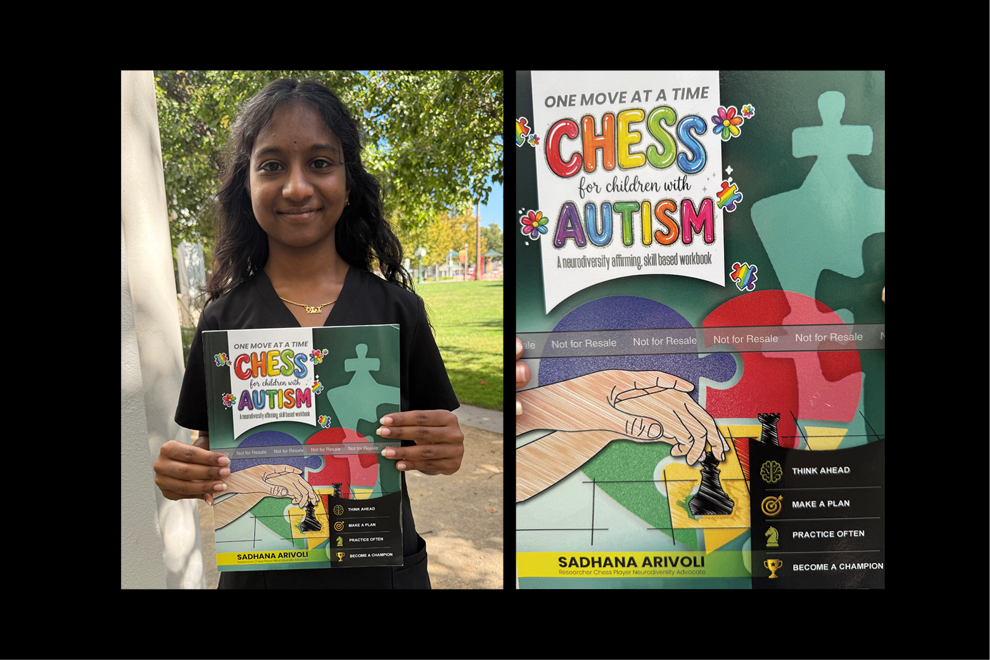

A news headline published by The Press on October 8, 2026, reports that a Heritage student has written a book for children with autism. The full article could not be independently accessed to verify the student’s name, the book’s title, its content or publication details. The story nevertheless raises an important topic: how thoughtfully created children’s books can help young readers explore differences, communication and inclusion without presenting autism as the same experience for every child.
Introduction
A Heritage student has written a book for children with autism, according to a headline published by The Press on October 8, 2026. The report brings attention to the role young writers can play in making children’s literature more inclusive and helping families start conversations about autism.
The original The Press article could not be accessed in full during research. As a result, the student’s name, the book’s title, the story’s intended age group and publication details remain unverified. Those details should not be guessed or attributed to the student without confirmation.
Even with those details outstanding, the topic has broader significance. Children’s books can give young readers a way to explore different communication styles, sensory experiences, friendships and everyday situations. When handled thoughtfully, stories can help autistic children see their experiences represented and help their peers develop a more understanding view of difference.
What Happened?
The headline “Heritage student writes book for children with autism” appeared in The Press’s online news coverage on October 8, 2026. The headline indicates that a student associated with an institution called Heritage has written a book intended for children with autism.
However, the accessible reporting did not establish whether the book is a picture book, a practical guide, a fictional story or a resource designed for use at home or in a classroom. It also did not confirm whether the book has already been published, is being prepared for publication or is part of a school project.
These distinctions matter. A story written primarily for autistic children may have a different purpose from a book designed to explain autism to their classmates. A practical resource might focus on routines or everyday situations, while a fictional story could explore friendship, family life and belonging.
Until the original report or an official announcement supplies more information, the confirmed news should remain limited to what the headline says: a Heritage student has written a book for children with autism.
What remains to be confirmed?
- The student’s identity: The name and age or grade of the student could not be verified.
- The book’s title: No confirmed title or publisher information was available.
- The book’s content: Its characters, themes, illustrations and intended reading level remain unknown.
- The intended audience: It is not clear whether the book is specifically for autistic children, their peers, parents, educators or a combination of readers.
- Availability: No verified purchase link, publication date or distribution information could be established.
Providing these details would make it possible to assess the project more specifically without relying on assumptions.
Key Details: Why a Children’s Book About Autism Can Matter
Although the details of this particular book remain unconfirmed, established information about autism and inclusive literature helps explain why the topic matters.
1. Autism is not one single experience
The US Centers for Disease Control and Prevention (CDC) describes autism spectrum disorder (ASD) as a developmental disability associated with differences in the brain. Autistic people may experience differences in social communication and interaction, behaviour, interests, learning, movement or attention. Their support needs and experiences vary considerably.
That variation is important when writing for children. One autistic child may communicate using speech, another may use an augmentative communication system, and another may use a combination of methods. Some children may find certain sounds, textures or changes in routine difficult, while others may have different preferences and support needs.
A responsible book should not suggest that every autistic child behaves or communicates in the same way. Instead, it can introduce particular experiences while making room for individual differences.
2. Stories can make conversations about differences easier
Children often learn about other people through stories, conversations and shared activities. A well-designed book can introduce ideas that might otherwise be difficult for a young reader to understand.
For example, a story might show two children finding different ways to play together, a character asking for a quieter space or a family preparing for a new experience. These are examples of approaches authors may use; they are not confirmed descriptions of the Heritage student’s book.
The goal is not to make autistic children appear responsible for teaching everyone else about autism. Rather, a story can help all children understand that people may have different preferences, communication styles and ways of participating.
3. Representation can help children feel included
Children’s books influence which characters and experiences young readers encounter. When autistic characters appear as complete individuals—with interests, relationships, strengths, frustrations and ordinary daily experiences—readers can see more than a diagnosis.
The National Autistic Society lists children’s books that explore autism and everyday experiences, including stories about emotions, self-confidence and changes in routine. This demonstrates that autism-related literature can cover a wide range of subjects rather than focusing on a single stereotype.
If the Heritage student’s book offers a thoughtful and authentic portrayal, it could contribute to this wider body of inclusive literature. That potential should not be confused with a verified assessment of the book itself, which could not be reviewed.
4. A book may support conversations at home and at school
Parents, teachers and caregivers can use stories as starting points for age-appropriate conversations. A child might ask why a character communicates differently, needs extra time or prefers a particular routine. Adults can respond to those questions without treating the character as unusual or less capable.
The CDC provides autism information and resources for families and educators, including material intended to help people understand autism spectrum disorder. These resources can complement a story when adults need accurate background information.
A book is not a replacement for individual support, professional guidance or a child’s own voice. It can, however, provide an accessible starting point for a conversation.
Background: Understanding Autism in Children
Autism spectrum disorder is a developmental condition that begins in early childhood and can continue throughout a person’s life. The CDC explains that characteristics vary between individuals and may change in how they appear over time. Some people need substantial support in everyday life, while others need less support.
Possible characteristics can include differences in social communication, repetitive behaviours or interests, a strong preference for routines, and unusual responses to sensory experiences. These characteristics do not appear in the same combination or to the same degree in every person.
For children, these differences can affect how they experience school, friendships, transitions and group activities. Supportive environments can make a difference to how comfortably children participate, although the support needed will depend on the individual.
Children’s books can introduce these topics through relatable characters and familiar situations. A story might show a character communicating in a different way, enjoying a focused interest or asking for a change in their surroundings. Such scenes can help readers understand that differences do not prevent people from building relationships or taking part in shared activities.
Writers should avoid reducing autism to a list of behaviours or presenting autistic characters as either helpless or extraordinary. Realistic representation allows characters to have personalities, preferences and goals beyond a diagnosis.
What Officials and Organizations Say
No verified statement from the student, the school, the book’s publisher or the author’s family could be obtained for this report. It would therefore be inaccurate to attribute a specific motivation, quotation or educational goal to the Heritage student.
Relevant background information is available from established organizations.
The CDC explains that autism can involve differences in communication, interaction, behaviour and sensory responses, and that autistic people vary in their characteristics and support needs. Its public resources are intended to help families, educators and healthcare professionals understand autism.
The National Autistic Society’s directory also documents children’s books created to explore autistic experiences, including topics such as emotional regulation, confidence and transitions.
These sources provide context for why autism-related books can be useful, but they do not establish that the Heritage student’s book has been reviewed or endorsed by either organization.
Why This Matters
Inclusive literature can benefit more than one group of readers
A book about autism may be useful to autistic children, but it can also help siblings, classmates and other young readers understand different ways of communicating and experiencing the world.
For autistic children, seeing a character with familiar experiences may offer a sense of recognition. For non-autistic children, a story can provide an opportunity to learn about differences without relying on stereotypes or assumptions.
The value depends on how the story is written. An inclusive book should respect autistic people as individuals, avoid presenting autism as something that makes a person less worthy, and recognise that different children may need different kinds of support.
Student authors can bring personal perspectives to children’s literature
Young writers may approach a subject through school experiences, friendships, family relationships, research or personal interests. A student-led project can also create opportunities to learn about writing, illustration, editing and communicating ideas to a specific audience.
However, a writer’s age or educational background does not automatically establish that a book is accurate or suitable for every child. For autism-related content, useful considerations include whether autistic people and families have been consulted, whether the language is respectful, and whether the story avoids making universal claims about autism.
Because the Heritage book could not be reviewed, it is not yet possible to assess how it handles these issues.
Schools can help create a culture of understanding
Schools are places where children encounter a range of personalities, abilities and communication styles. Stories can support classroom discussions about kindness, accessibility and friendship when used alongside respectful everyday practices.
For example, teachers can invite children to discuss how characters solve problems, how classmates can include someone in a game, or why a person might need a different way to participate. These discussions should not require autistic pupils to disclose personal information or act as representatives for all autistic people.
A thoughtful book can support this work, but inclusion also depends on how adults respond to children’s individual needs.
What Happens Next?
The next step is to confirm the missing details of the Heritage student’s book through the complete The Press report or an official statement from the relevant school, student or publisher.
The following information would help readers understand the project:
- The student’s name and school or educational institution.
- The title, format and intended age range of the book.
- The themes and purpose of the story.
- Whether autistic children, families or specialists contributed feedback.
- Whether the book is available to purchase, borrow or access through a school or community programme.
No verified release date, public event, sales link or follow-up announcement could be established during research. It would be premature to claim that any of these steps has been scheduled.
Until further details are available, the story is best understood as a reported student writing project that draws attention to autism and children’s literature. Any stronger claim about its content, reach or impact would require evidence from the original report or the people involved.
Frequently Asked Questions
1. What is the news about the Heritage student?
A The Press headline published on October 8, 2026, reports that a Heritage student has written a book for children with autism. The student’s name and the book’s title could not be independently verified from the accessible material.
2. What is the title of the book written by the Heritage student?
The book’s title could not be confirmed. The complete original report or an official announcement from the school or publisher is needed to establish it.
3. Who wrote the book for children with autism?
The headline identifies the author as a Heritage student, but the student’s name and other biographical details were not available in the accessible source.
4. Why are children’s books about autism important?
They can help autistic children see a wider range of experiences represented in stories and give other children an accessible way to learn about communication differences, sensory experiences and inclusion. The usefulness of an individual book depends on its accuracy, approach and intended audience.
5. What should a good children’s book about autism include?
A thoughtful book should use respectful language, represent autistic characters as individuals, avoid stereotypes and recognise that autism varies from person to person. Feedback from autistic people and families can help authors check whether a story presents experiences fairly.
6. Can books help children understand autism?
Yes. Stories can introduce ideas about different communication styles, routines, sensory preferences and friendship. They work best as part of broader conversations and should not be treated as a substitute for individualised support or reliable educational information.
7. Where can readers find reliable information about autism?
The US Centers for Disease Control and Prevention provides information about autism, its characteristics and resources for families and educators. The National Autistic Society also provides information and lists of books related to autistic experiences.
8. Is the Heritage student’s book available to buy?
Its publication status and availability could not be verified. Readers should check the original news report or an official announcement from the school, author or publisher for confirmed details.