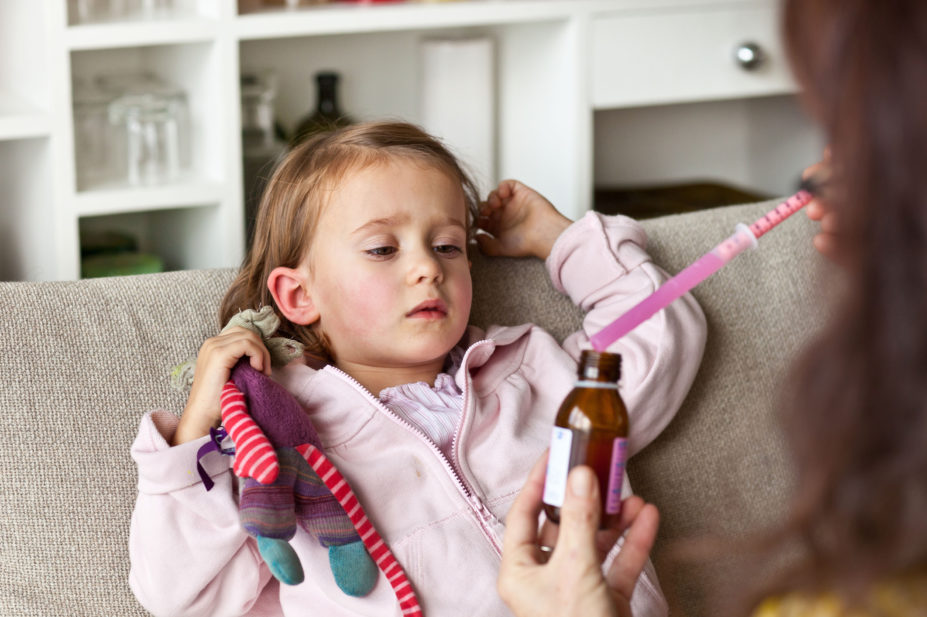

Paracetamol syrup for kids is a liquid medicine used to relieve pain and reduce fever in children. The correct dose depends on the child’s weight, the medicine’s concentration and the product instructions, so parents should confirm the dose with a paediatrician or pharmacist rather than guess. Because this is a medicine for children, check the product’s exact formulation and suitability before buying it online, and seek urgent medical help if an overdose is suspected.
Paracetamol Syrup for Kids — Uses, Safe Administration and Buying Guide
Introduction
Paracetamol syrup for kids is a liquid medicine commonly used to relieve pain and reduce fever. Parents may consider it when a child is uncomfortable because of a fever, headache, sore throat, earache or other minor pain. In India, children’s paracetamol products are available in different brands and formulations, so checking the exact product and its instructions is essential.
The Indian National Health Mission has published guidance on paracetamol use in children, including its role in managing fever following immunisation. The NHS and the US Food and Drug Administration (FDA) also provide guidance on administering children’s paracetamol or acetaminophen safely.
For parents searching online, view paracetamol syrup listings on Amazon India. This is a search link, not an endorsement of a particular medicine. Before purchasing, verify the brand, active ingredient, concentration, expiry information and suitability for the child with a pharmacist or paediatrician.
Important: This article provides general medicine-safety information, not an individual prescription. It does not determine the correct dose for a particular child.
What Is Paracetamol Syrup for Kids?
Paracetamol, also known as acetaminophen in some countries, is a medicine used to relieve pain and lower a high temperature. Children’s liquid formulations can be easier to administer than tablets when a child cannot swallow them comfortably.
The amount of medicine contained in each millilitre depends on the product’s concentration. Consequently, two bottles labelled as children’s paracetamol may not contain the same amount of active ingredient in the same volume.
Parents should never assume that the same volume is appropriate for every brand or formulation.
Paracetamol can help relieve symptoms, but it does not treat every underlying cause of fever. If a child has an infection or another medical condition, the cause may require separate assessment or treatment.
What Happened? Understanding the Main Concern for Parents
The main issue when buying paracetamol syrup for kids is not simply which brand to choose. It is ensuring that the medicine is appropriate for the child and that the correct formulation and dose are used.
Official health guidance highlights several important considerations:
- The medicine must be suitable for the child’s age and circumstances.
- The dose must follow the product label or a healthcare professional’s instructions.
- The liquid must be measured with an appropriate dosing device.
- Other medicines must be checked for ingredients that could cause accidental duplication.
- Suspected overdose requires prompt medical advice, even if the child initially appears well.
These precautions matter whether the medicine is purchased from a local pharmacy or through an online retailer.
What Is Paracetamol Syrup Used For?
Paracetamol may be used to relieve several types of pain in children and to reduce fever-related discomfort.
1. Fever and discomfort
A child may develop a fever because of an infection or another illness. Paracetamol can help lower the temperature and make the child more comfortable, but the temperature reading alone does not establish the cause or seriousness of the illness.
Parents should also monitor the child’s behaviour, fluid intake, breathing and other symptoms.
2. Headache and body aches
Paracetamol may relieve some mild headaches and general aches. Persistent, severe or recurring pain should not be managed repeatedly without medical advice.
3. Earache and sore throat
The medicine can help ease pain associated with an earache or sore throat. However, pain relief does not establish whether antibiotics or another treatment are needed.
4. Pain associated with minor illnesses
Paracetamol may help with discomfort caused by some common childhood illnesses. The appropriate treatment depends on the child’s symptoms, age and medical history.
The NHS lists aches, teething pain, earache, sore throat and discomfort associated with fever among situations in which children’s paracetamol may be used.
Key Details: How to Give Paracetamol Syrup Safely
Check the concentration before every use
Read the bottle label carefully to confirm the medicine’s name and strength. The concentration may be expressed in milligrams per 5 millilitres or in another format.
Do not transfer dosing instructions from one bottle to another without checking that the formulations match. If the label is unclear, ask a pharmacist before administering the medicine.
Use the correct measuring device
Use the oral syringe or dosing device supplied with the medicine, following its instructions. Household teaspoons are not reliable measuring instruments and can lead to dosing errors.
The FDA specifically advises caregivers to use the dosing device provided with the product and not to substitute a kitchen spoon or a device from a different medicine.
Follow the prescribed or labelled dose
The correct dose depends on factors including the child’s weight, age, formulation and the applicable product instructions. A healthcare professional may need to consider additional factors if the child has an underlying medical condition.
Do not give an extra dose because the fever has not fallen immediately. If symptoms persist or worsen, seek advice rather than increasing the amount.
Avoid duplicate ingredients
Some cold and flu medicines contain paracetamol as well as other active ingredients. Giving two products containing paracetamol can unintentionally increase the total amount received.
Check the active ingredients in every medicine the child is taking. Ask a pharmacist or doctor if you are uncertain whether products can be used together.
Store the medicine safely
Keep the bottle in its recommended storage conditions and out of children’s reach. Check the expiry date and follow the instructions for use after opening.
Never use an unidentified liquid or a bottle with an unreadable label.
Background: Why the Correct Dose Matters
Paracetamol has a well-established role in relieving pain and reducing fever when used appropriately. However, taking too much can cause serious liver damage.
The FDA warns that excessive acetaminophen exposure can result in severe liver injury, liver failure and death. Its guidance emphasises following the label, avoiding duplicate products containing the same ingredient and using the correct measuring device for liquid medicine.
For children, dosing mistakes can occur when caregivers confuse concentrations, use an unsuitable measuring spoon, repeat a dose too soon or forget that another medicine contains the same active ingredient.
For this reason, there is no single volume of paracetamol syrup that is correct for all children. A dose that is appropriate for one child or formulation may be unsuitable for another.
If you believe your child has received too much paracetamol, seek urgent medical advice. Do not wait for symptoms to appear.
What Do Health Authorities Say About Children’s Paracetamol?
Several official health organisations provide relevant safety guidance.
- India’s National Health Mission (NHM): Its published paracetamol guidance discusses the medicine’s use in children, particularly in the context of fever following immunisation. The document is available through the NHM website.
- The NHS: Its children’s medicine guidance explains when paracetamol may be used, why the correct formulation matters and when caregivers should seek professional advice.
- The US FDA: Its acetaminophen guidance stresses accurate measurement, avoiding duplicate products containing the same ingredient and getting medical help when an overdose is suspected.
These sources offer general safety principles. Parents in India should follow the instructions for their specific medicine and seek advice from a qualified local healthcare professional when needed.
Why This Matters When Buying Paracetamol Syrup Online
Online shopping can make it easier to compare medicine listings, but a product appearing in search results does not establish that it is appropriate for a particular child.
When checking paracetamol syrup for kids on Amazon India, pay attention to the following information.
| What to check | Why it matters |
|---|---|
| Active ingredient | Confirms which medicine the product contains |
| Strength or concentration | Helps prevent confusion between formulations |
| Age suitability | Some formulations may not be appropriate for younger children |
| Manufacturer and seller | Helps you verify product identity and supply details |
| Expiry date and packaging | Important for medicine quality and safe use |
| Storage instructions | Helps maintain the product under the specified conditions |
| Measuring device | Supports accurate administration |
| Professional advice | Helps establish whether the medicine is appropriate for your child |
Use a reputable, appropriately authorised pharmacy or seller, and confirm the product’s authenticity and suitability. Do not choose a medicine solely because it is inexpensive, highly rated or advertised as a popular children’s brand.
This article does not verify the live availability, authenticity or suitability of any particular medicine listing.
What Happens Next? When Parents Should Seek Medical Help
Most childhood fevers can be managed with appropriate care, but some symptoms require urgent assessment. Paracetamol should never be used to delay medical attention when a child appears seriously unwell.
Seek urgent medical help if your child:
- Has difficulty breathing or is struggling to stay awake.
- Has a seizure, a stiff neck or a rash that does not fade when pressed.
- Shows signs of severe dehydration or unusual responsiveness.
- Is very young and develops a fever.
- Has symptoms that are rapidly worsening or seriously concerning.
The NHS advises urgent assessment for babies under three months with a temperature of 38°C or higher and for babies aged three to six months with a temperature of 39°C or higher. These thresholds are useful clinical guidance, but local medical advice and the child’s overall condition also matter.
If an overdose is suspected, contact emergency medical services or seek urgent hospital care immediately. Do not wait for symptoms or attempt to manage a possible overdose at home.
Frequently Asked Questions
1. What is paracetamol syrup for kids used for?
It is used to reduce fever and relieve pain, including some headaches, sore throats and earaches. It can ease symptoms but does not necessarily treat the underlying illness.
2. Can I buy paracetamol syrup for kids on Amazon India?
You can check Amazon India’s search results for children’s paracetamol syrup. Verify the exact product, seller, formulation and applicable requirements, and ask a pharmacist or paediatrician whether it is suitable for your child.
3. How much paracetamol syrup should I give my child?
The appropriate dose depends on the child’s weight, age, the medicine’s concentration and its specific instructions. Follow the product label or the dose prescribed by your healthcare professional. Do not guess a volume or reuse dosing instructions from another formulation.
4. How long should I wait between doses?
The interval and maximum number of doses depend on the specific formulation and the applicable instructions. Check the label or prescription and ask a pharmacist if you are unsure. Never repeat a dose sooner than directed.
5. Can paracetamol syrup be given to a baby?
Some formulations are suitable for certain infants, but age restrictions and dosing requirements are important. Do not give it to a very young baby without appropriate medical advice. A fever in a baby under three months requires prompt medical assessment, particularly at 38°C or above.
6. Can children take paracetamol with cold and flu medicine?
Some cold and flu products already contain paracetamol. Giving both products can cause an overdose. Check every active ingredient and consult a pharmacist or doctor before combining medicines.
7. What should I do if my child receives too much paracetamol?
Seek urgent medical advice immediately, even if the child appears well. An overdose can cause serious liver damage, and early symptoms may not reliably indicate how serious it is. Take the bottle and any other medicines involved with you if possible.
8. Does paracetamol treat the cause of a fever?
No. Paracetamol helps reduce fever and relieve discomfort, but it does not treat every cause of fever. If symptoms persist, worsen or raise concern, have the child assessed by a healthcare professional.